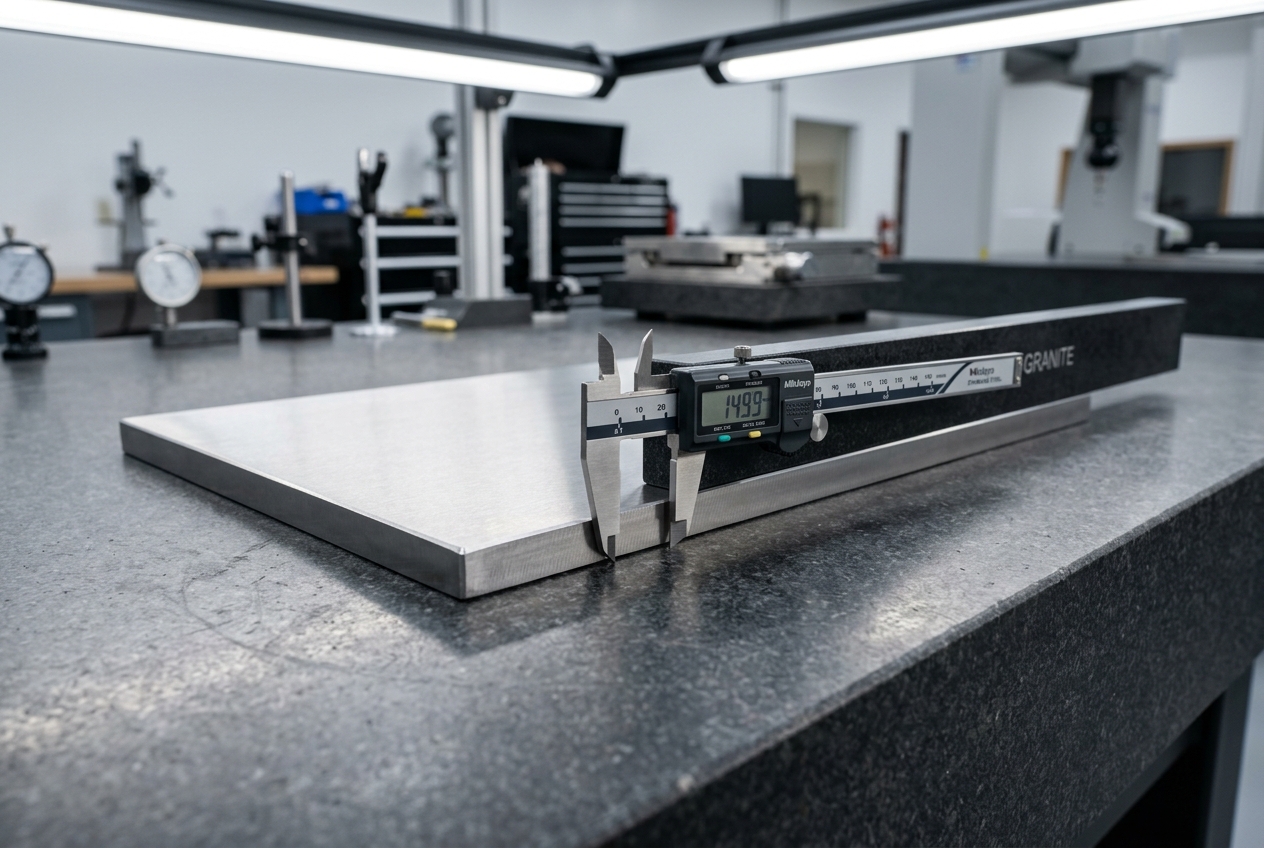
Buyers often ask for "the hardest plate you have". It is rarely the right answer. Hardness buys abrasion life, but it costs formability, toughness in impact and ease of fabrication.
Match the class to the wear mechanism
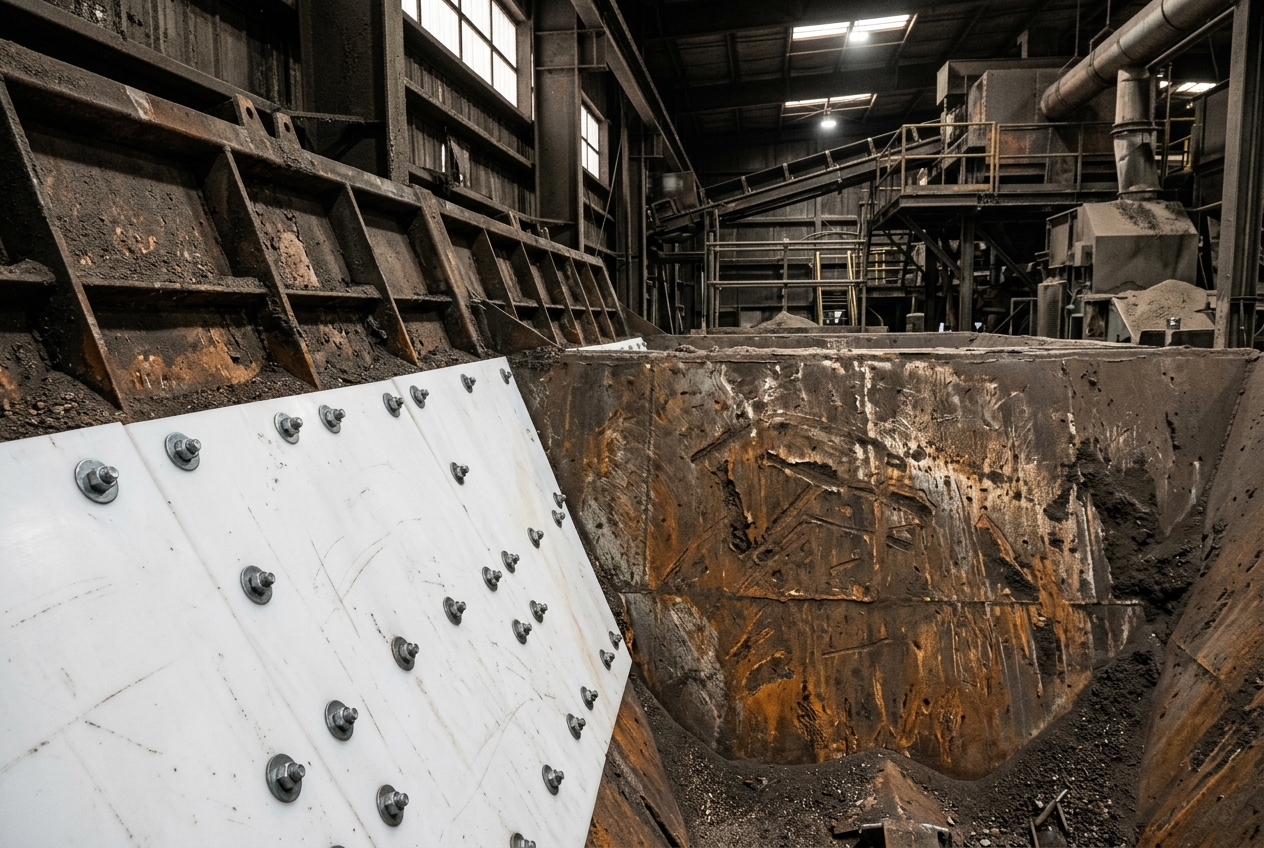
Sliding abrasion — fine, dry, high volume material. Hardness dominates. Moving from 400 HBW to 500 HBW class plate typically extends life substantially in dry sliding duty such as clinker chutes, silo liners and conveyor skirting.
Impact plus abrasion — lumpy ore, rock, demolition. Toughness matters as much as hardness. A 450 HBW class plate often outlasts a 500 HBW class plate here, because the harder plate can crack or spall at the edges under repeated impact.
Gouging wear — large rock dragged under load. Consider a thicker section in 400 or 450 class rather than a thin high hardness plate. Section thickness buys you time.
What your shop can actually handle
- Bending. Minimum bend radius grows with hardness and thickness. A 500 class plate at 10 mm needs a far more generous radius than a 400 class plate of the same thickness, and it must be bent transverse to the rolling direction.
- Cutting. Plasma and laser both work, but cut edges in high hardness plate are harder still. Plan for edge grinding where a weld follows.
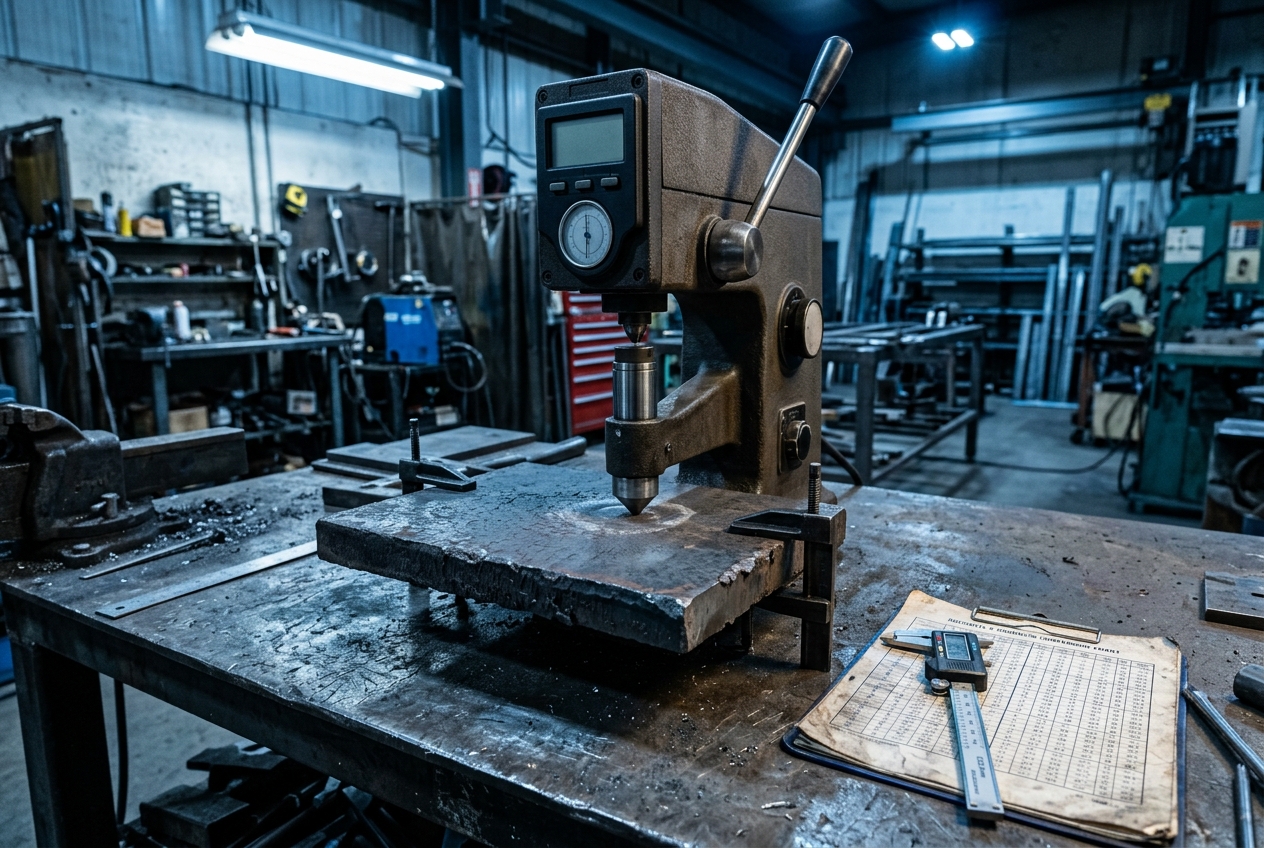
- Welding. All these grades are weldable with standard low hydrogen consumables, but preheat and interpass control become non-negotiable as thickness and hardness rise.
The practical rule
Specify the lowest hardness class that survives your wear mechanism, then put the saving into thickness or a better fit. A plate that is easy to form and weld, installed correctly, beats a harder plate fitted badly.
Send us the material being handled, the impact conditions and the thickness you are replacing, and we will tell you which class we would put in, and what we hold in Dubai.