Industry Insights
Grade selection notes, fabrication guidance and market observations from our materials desk. Published continuously.
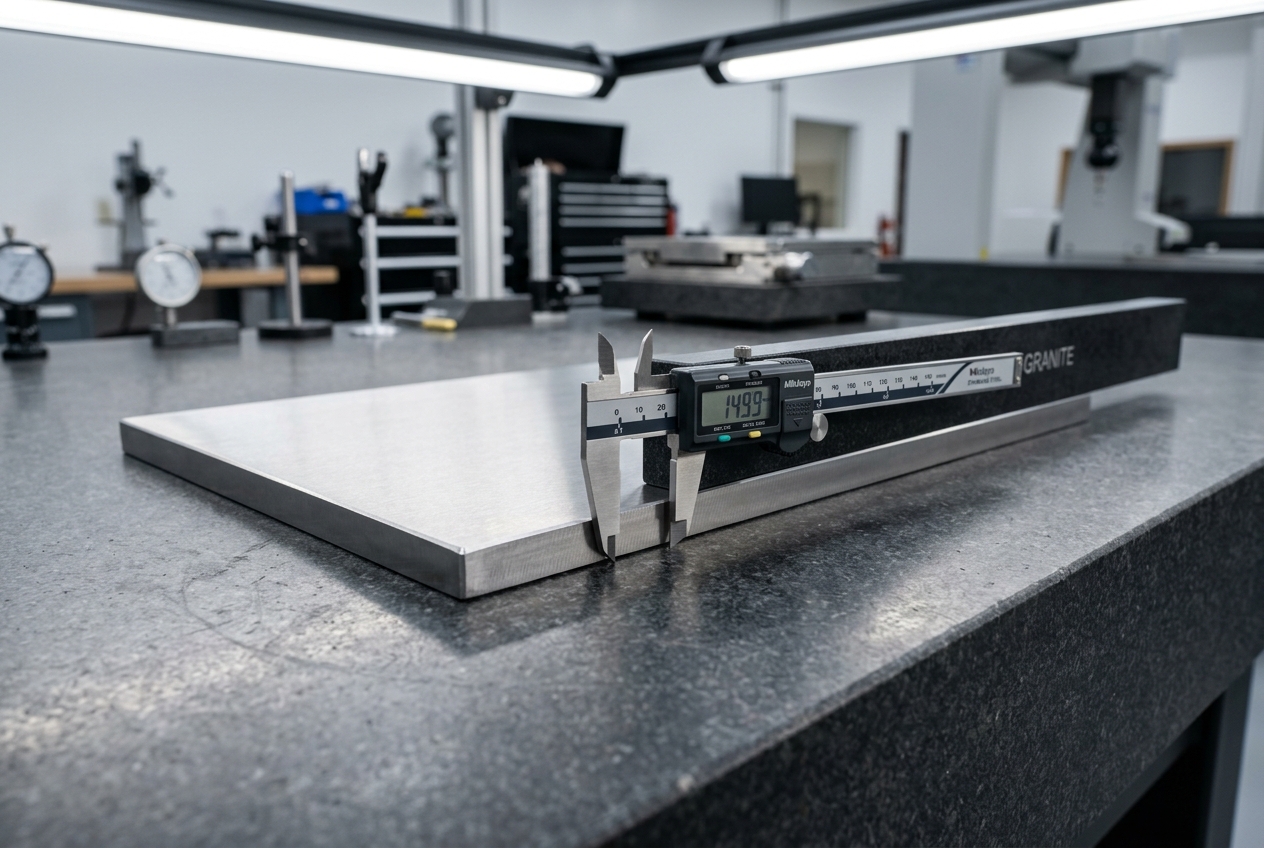
Armour plate protection classes: reading the specification properly
How ballistic protection levels are defined, why plate hardness alone tells you nothing, and what fabrication rules keep the protection intact.

Mill lead time versus stock: what the wait really costs you
A rolling programme can be months away. How to decide what to buy from stock, what to order against a schedule, and what to hold yourself.
2 Oct 2026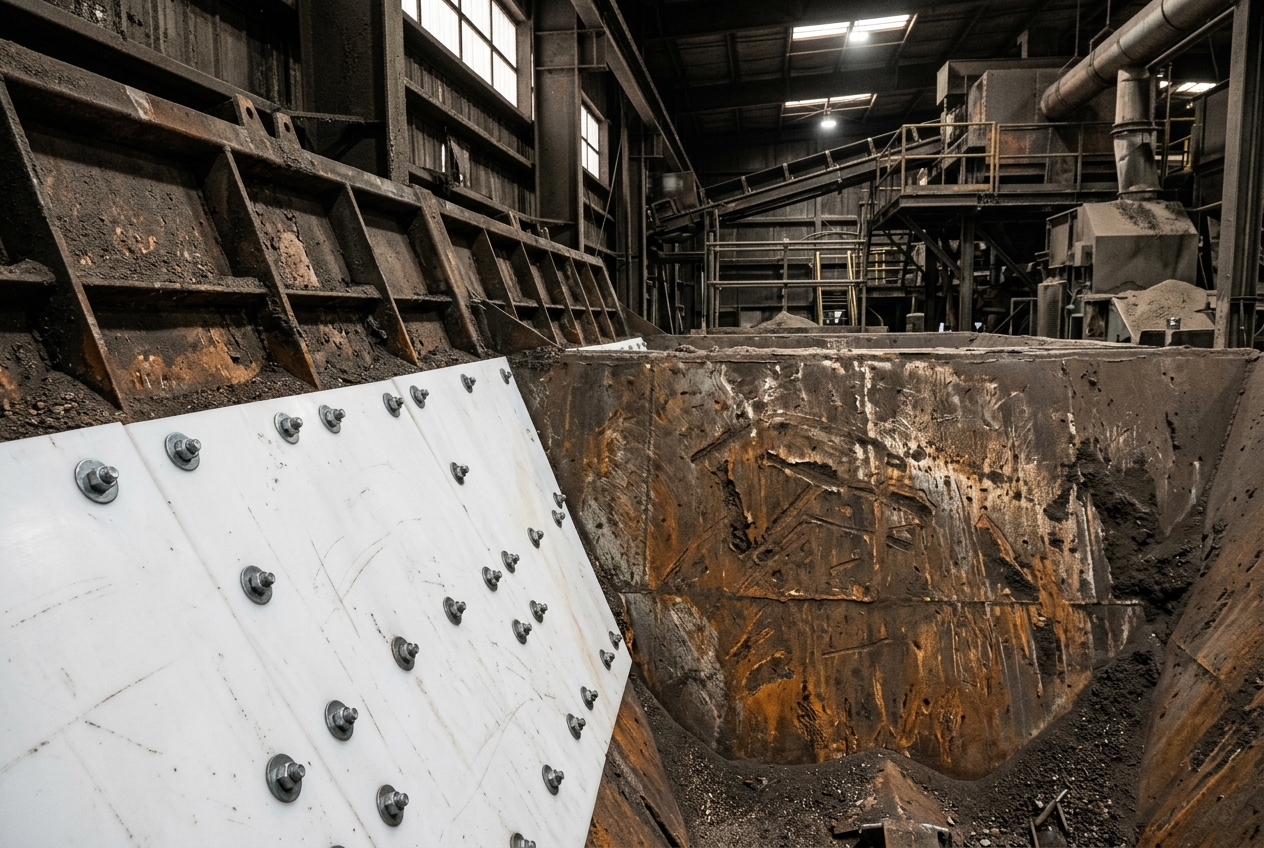
UHMW-PE or steel liners: stopping material sticking instead of just resisting wear
When the real problem is build-up, carryback and noise rather than abrasion, a polymer liner outperforms hardened plate.
2 Oct 2026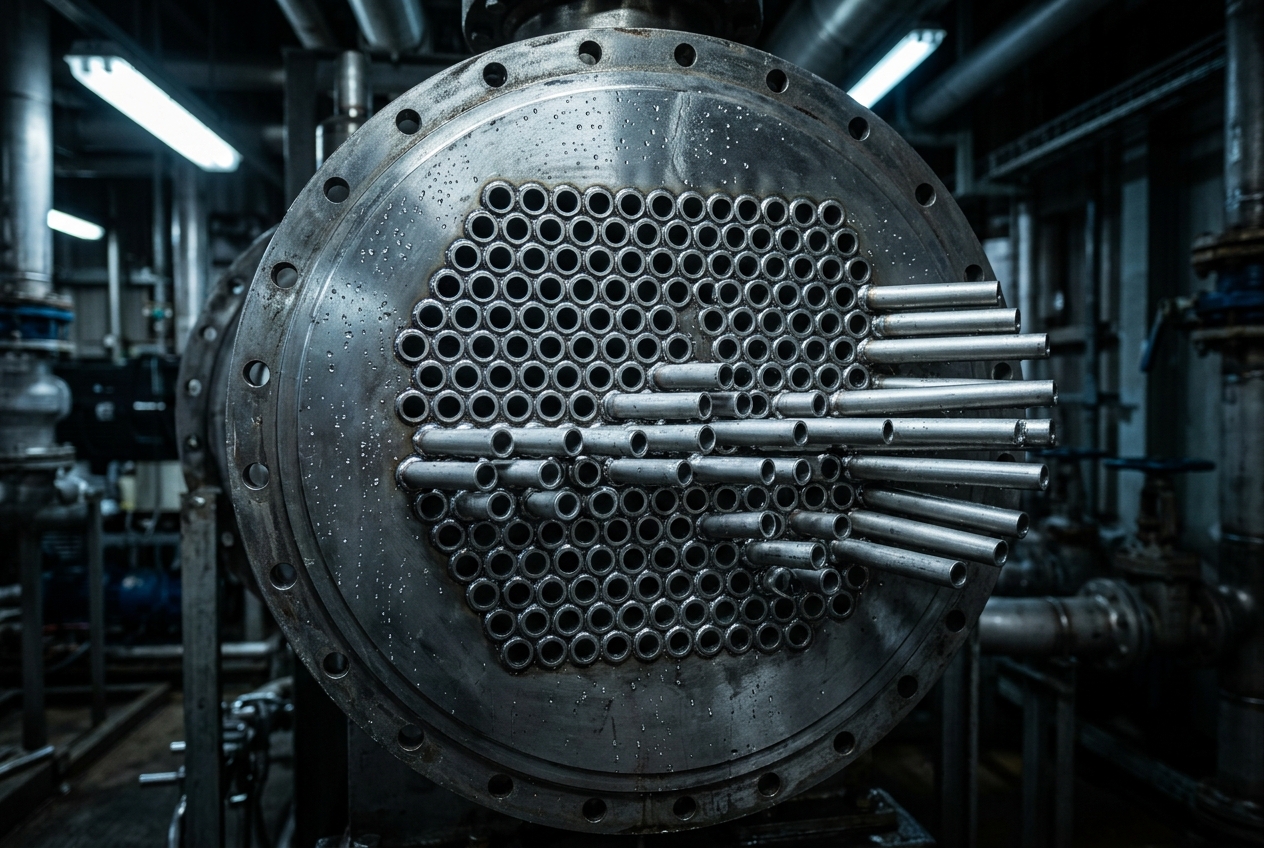
Titanium Grade 2 in seawater: immune to chlorides, not to the invoice
Where titanium beats super duplex and nickel alloys in desalination and seawater cooling, and how to make the economics work.
2 Oct 2026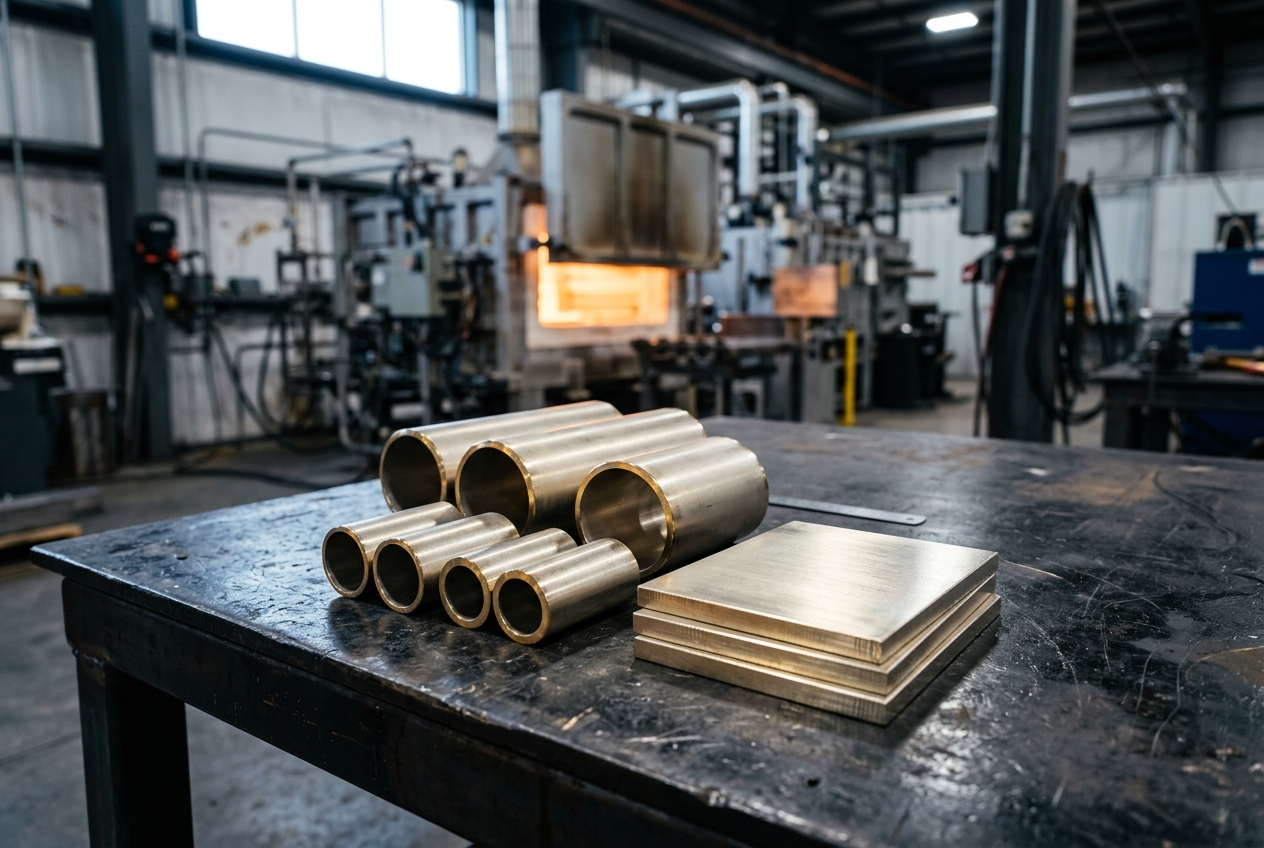
Inconel 625 or Incoloy 825: paying for the alloy you actually need
Both are nickel alloys for aggressive service, and they are not interchangeable. A practical split by temperature and corrodent.
2 Oct 2026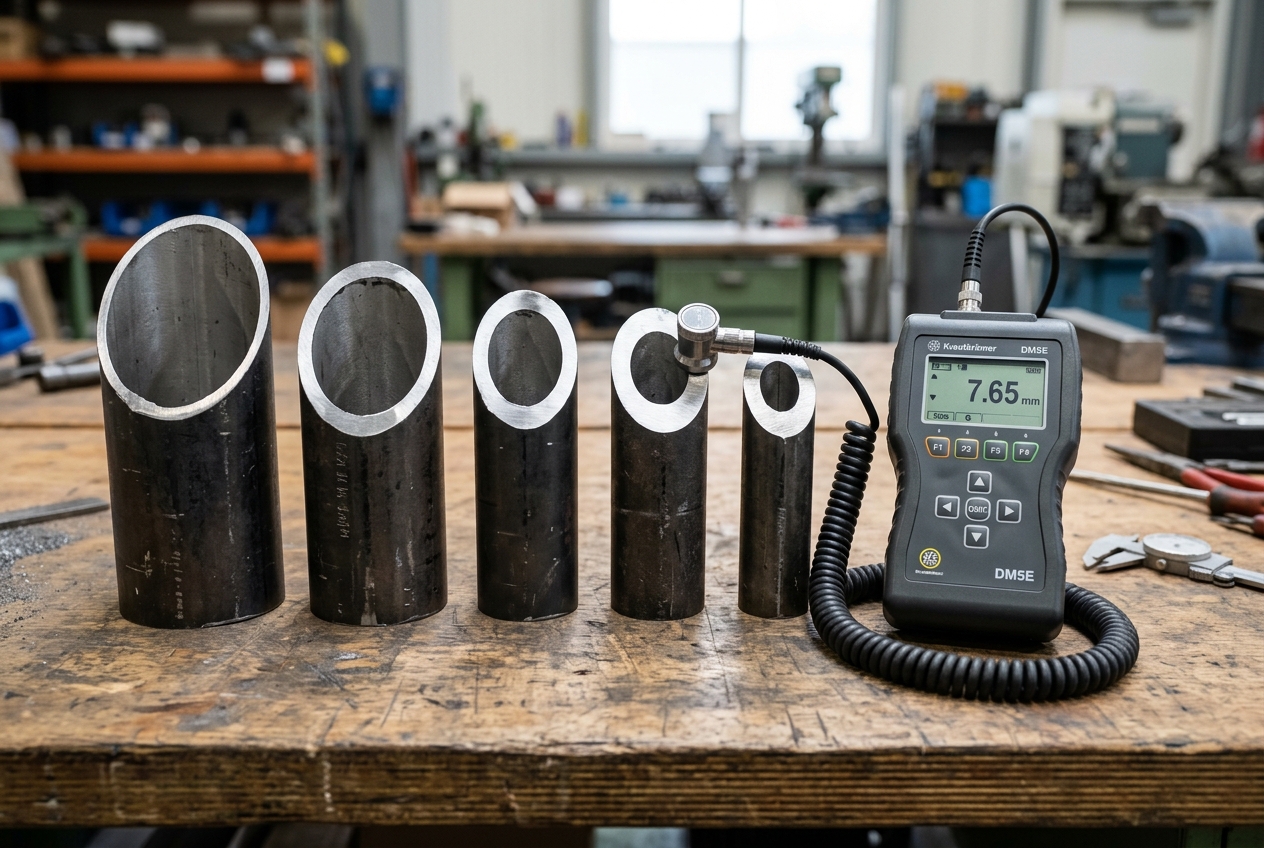
Schedule, NPS and wall thickness: ordering pipe without ambiguity
Why the same schedule means different walls at different diameters, and what to state so the pipe you receive is the pipe you planned.
2 Oct 2026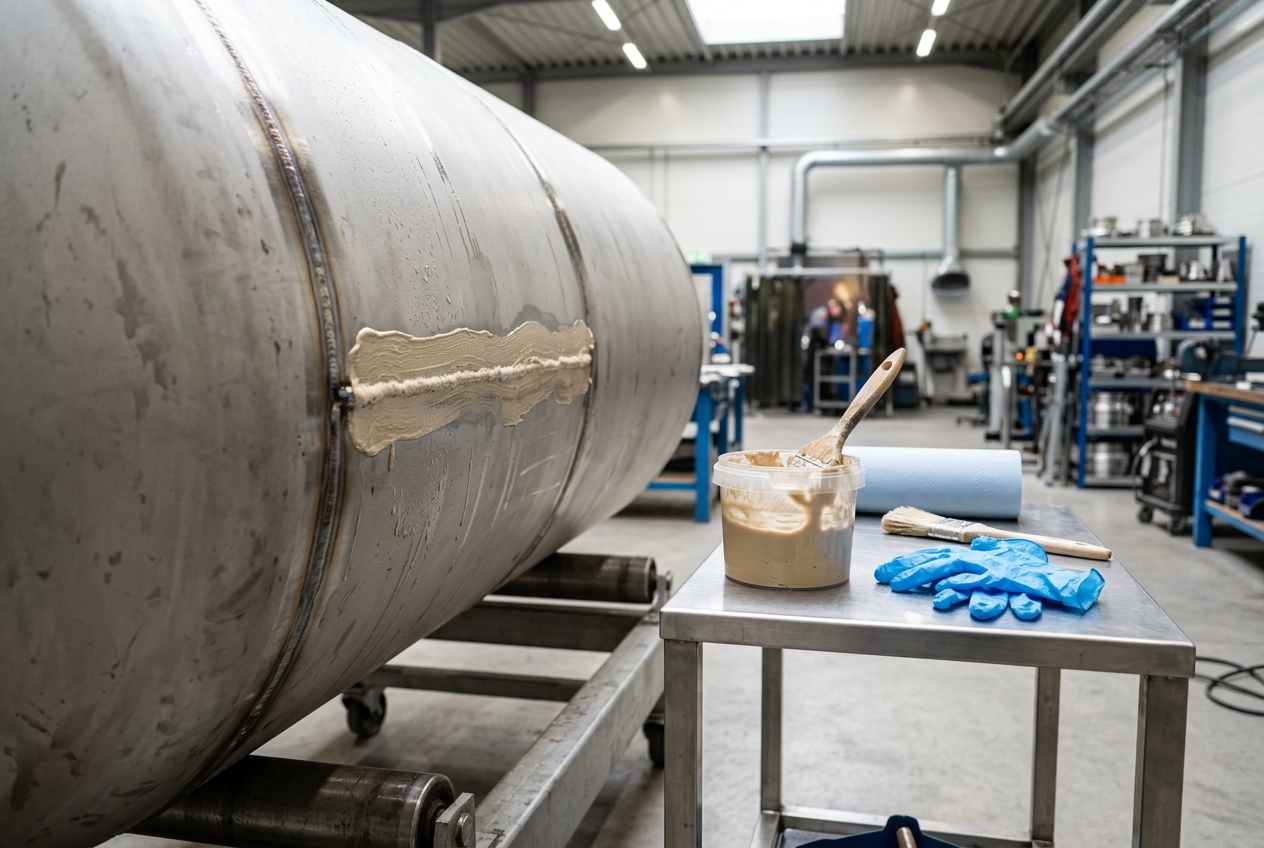
Pickling and passivation: the step that decides whether stainless stays stainless
Welding, grinding and even handling leave stainless less corrosion resistant than it arrived. How to restore the passive layer properly.
2 Oct 2026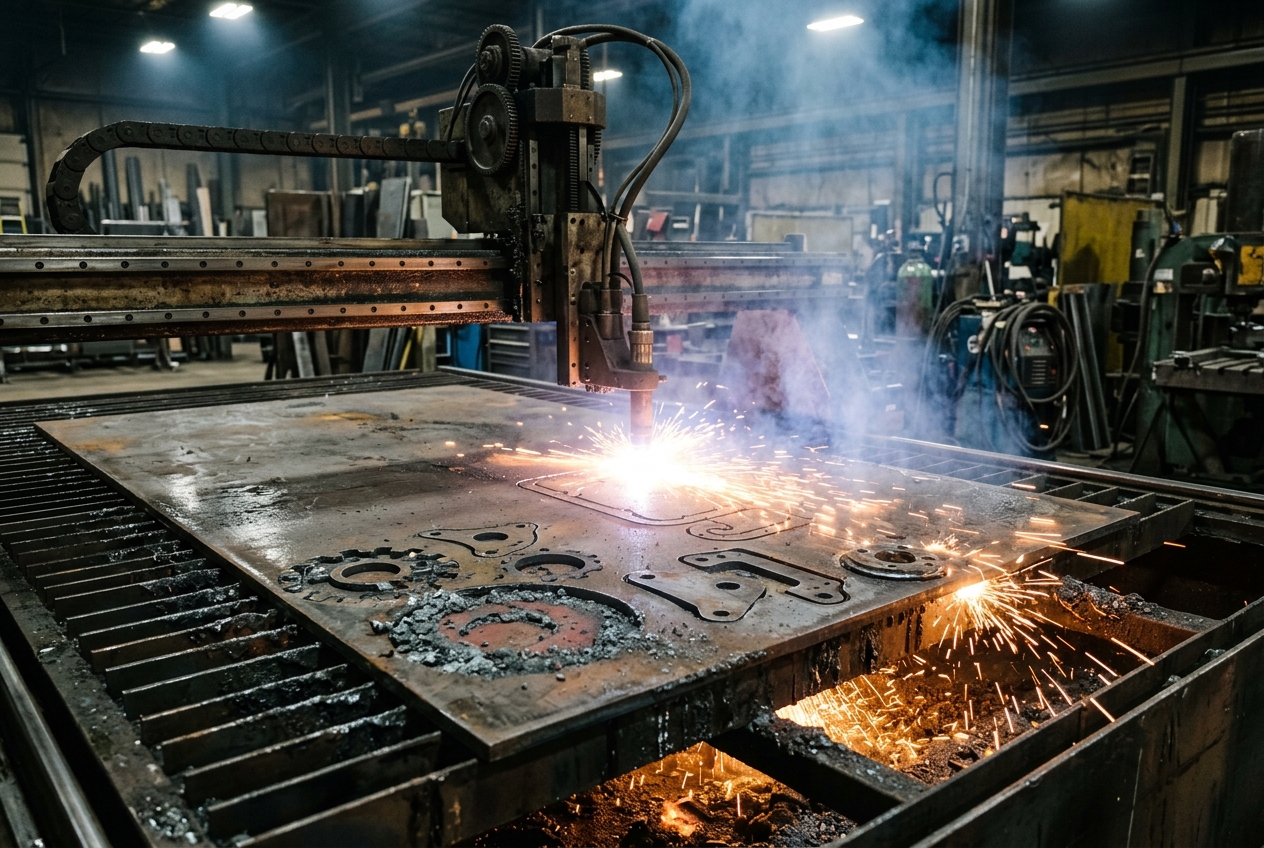
Cutting tolerances: what to specify so the parts actually fit
Laser, plasma and waterjet each leave a different edge. Specify the process and the tolerance class, not just the profile.
2 Oct 2026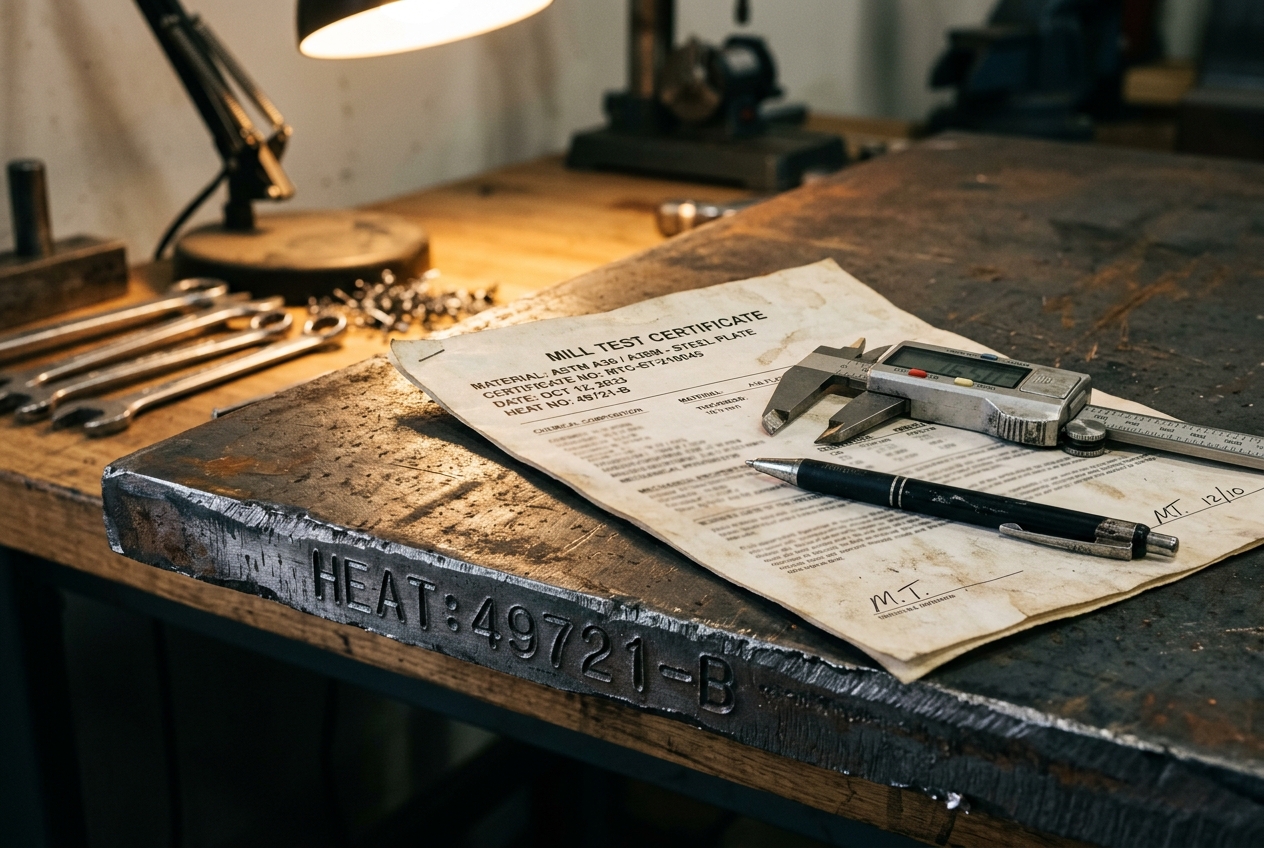
What an EN 10204 3.1 certificate actually proves — and what it does not
The difference between 2.1, 2.2, 3.1 and 3.2 documents, and why traceability to a heat number is the part that protects you.
2 Oct 2026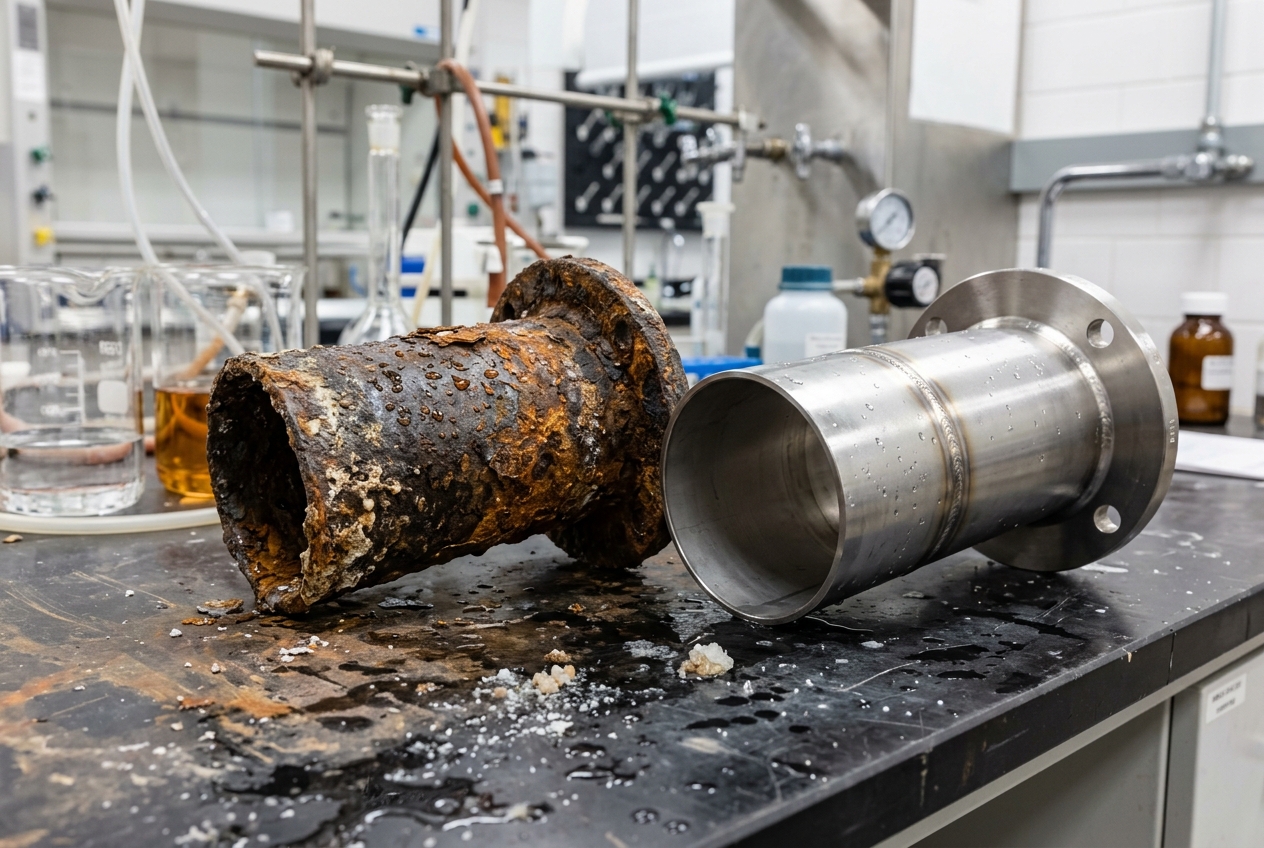
Duplex 2205 versus 316L in chloride service: when the upgrade pays for itself
Where 316L pits and cracks in Gulf seawater duty, and how to judge whether duplex is the cheaper answer over the life of the plant.
2 Oct 2026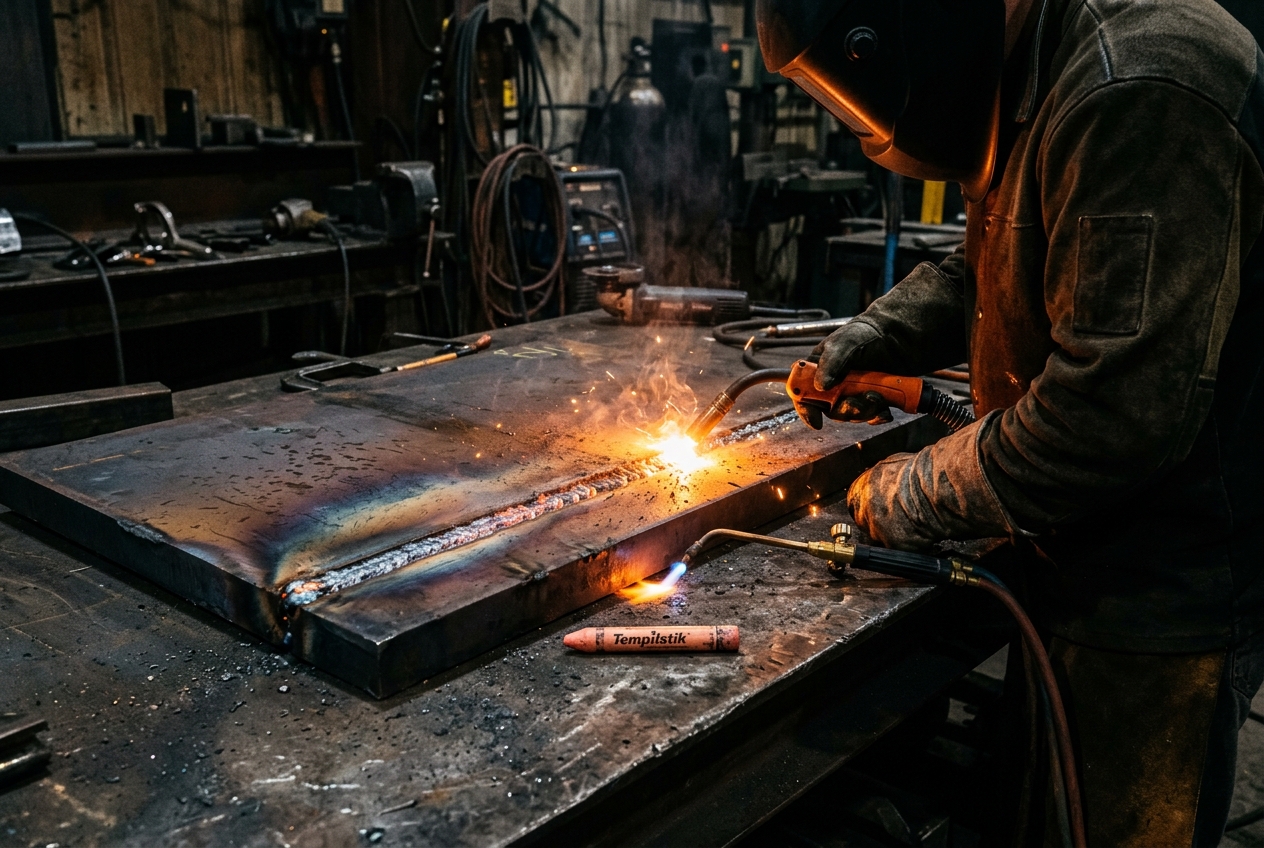
Welding wear plate without throwing away the hardness you paid for
Preheat, interpass temperature and consumable choice decide whether your wear liner lasts its design life or fails at the weld.
2 Oct 2026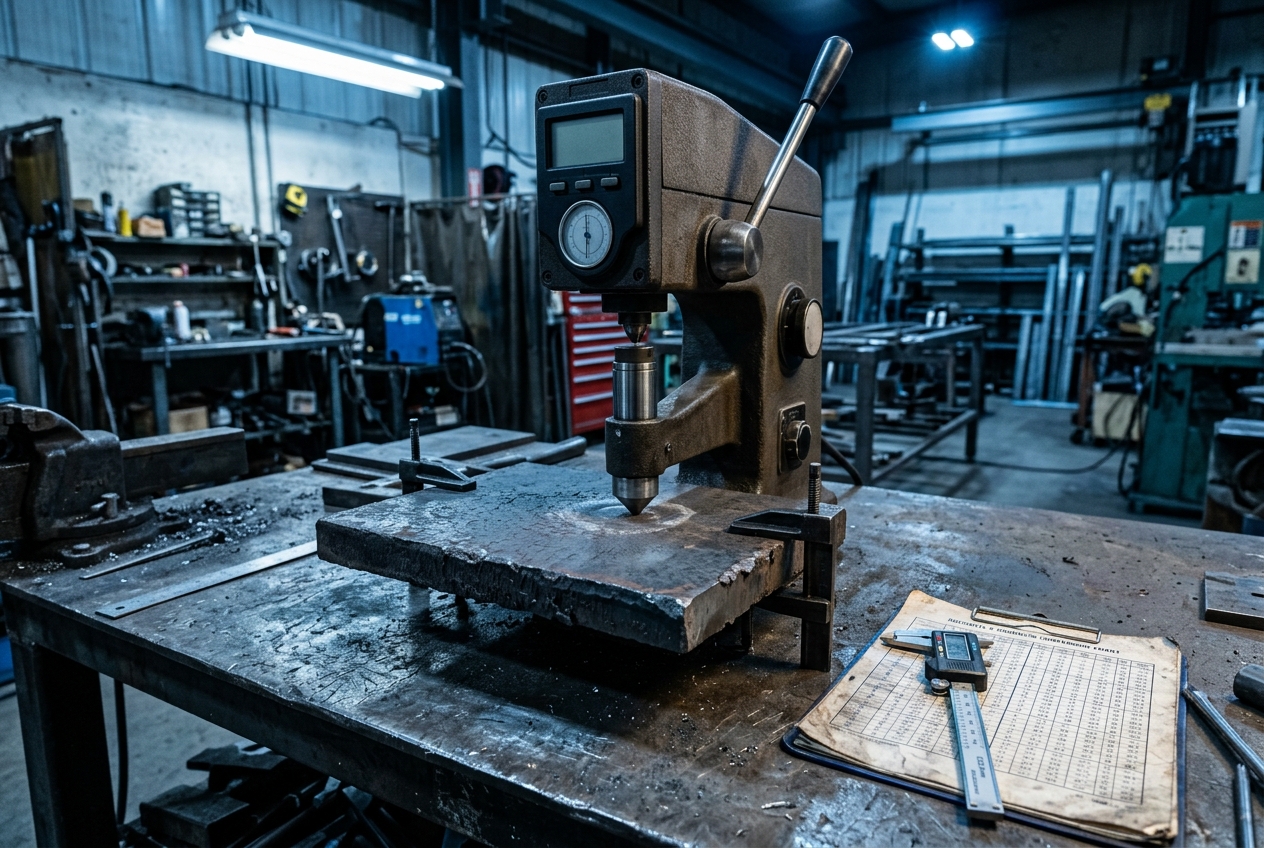
Hardox 400, 450 or 500: which wear plate actually belongs in your chute
Harder is not automatically better. How to pick a hardness class by wear mechanism, bend radius and what your shop can weld.
2 Oct 2026
Understanding Duplex vs Super Duplex Steel
Explore the trade-offs and applications of Duplex and Super Duplex Steels in industrial environments.
29 Sept 2026