Nickel alloys are expensive enough that over-specifying is a real cost, and aggressive enough in service that under-specifying is a bigger one.
Incoloy 825 — the acid and chloride workhorse
A nickel-iron-chromium alloy with molybdenum, copper and a titanium stabilisation. It is strong in reducing acids — notably sulphuric and phosphoric — and resists chloride stress corrosion cracking well. Typical duty: pickling plant, acid handling, sour service components, heat exchangers in chloride-bearing media at moderate temperature.
Inconel 625 — the high temperature and oxidising choice
A nickel-chromium-molybdenum alloy with niobium. Higher nickel and molybdenum give it much broader corrosion resistance, and it holds strength and oxidation resistance at genuinely high temperature. Typical duty: flare tips and burner components, bellows and expansion joints, seawater and sour gas service, cladding and weld overlay.
How to choose
| Condition | Usually 825 | Usually 625 | |---|---|---| | Reducing acid, moderate temperature | ✔ | | | Oxidising conditions | | ✔ | | Service above roughly 500 °C | | ✔ | | Severe pitting or crevice risk | | ✔ | | Cost-sensitive, duty within 825's limits | ✔ | |
Before you commit
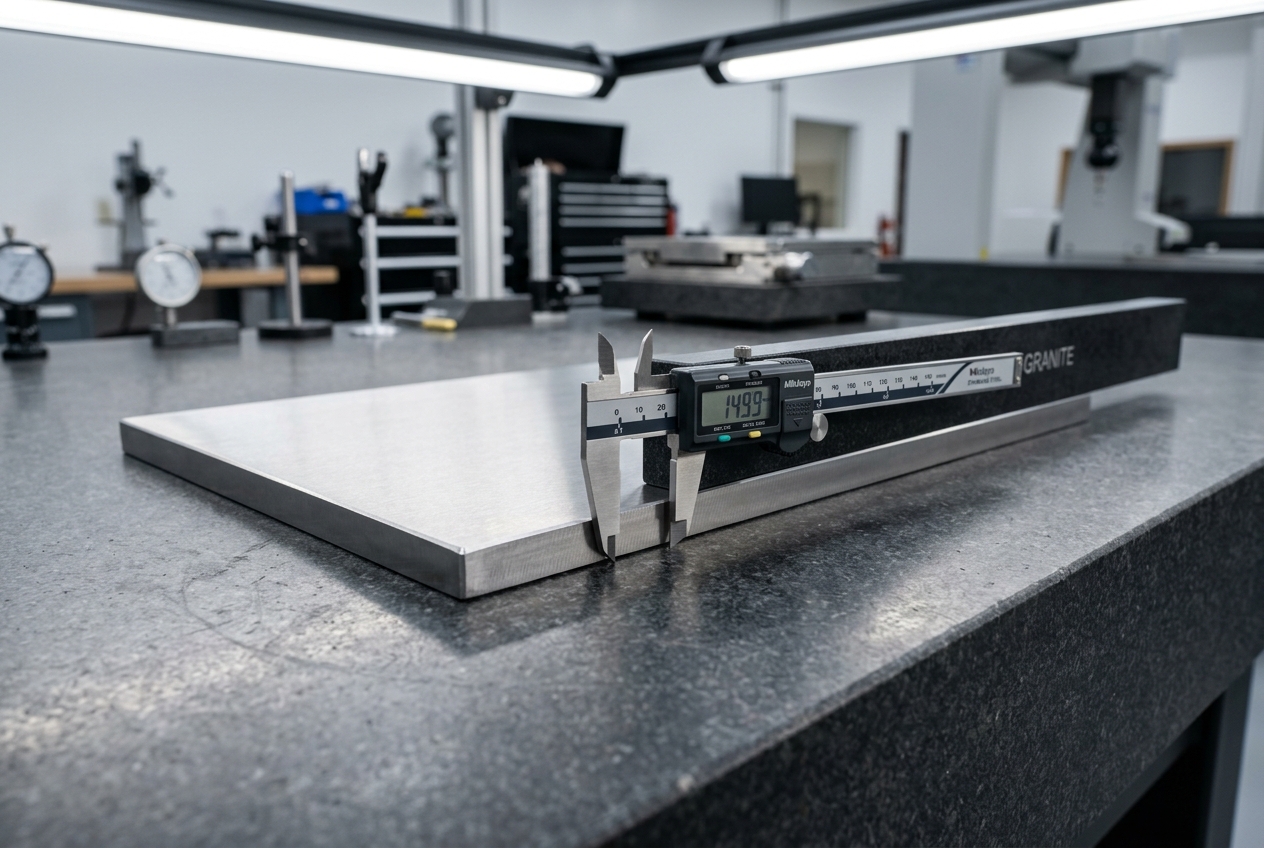
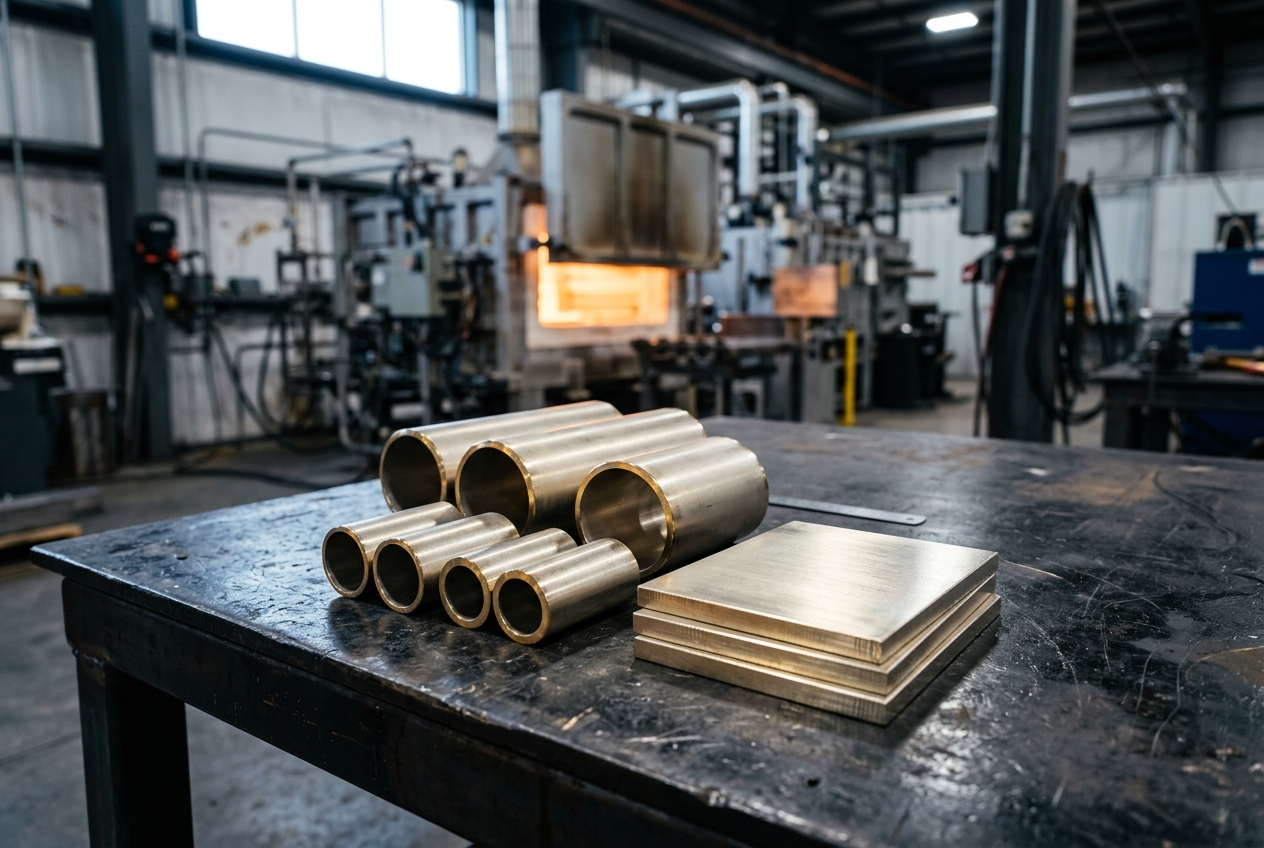
Confirm the temper and condition, check the product form is available in your size — bar, plate, pipe and sheet availability differ — and allow for the fact that both alloys work-harden fast and need sharp tooling, low speeds and rigid set-ups.
Tell us the medium, the concentration, the temperature and the form, and we will tell you which alloy we would put in, and where 316L or duplex would do the job for a fraction of the cost.