Introduction
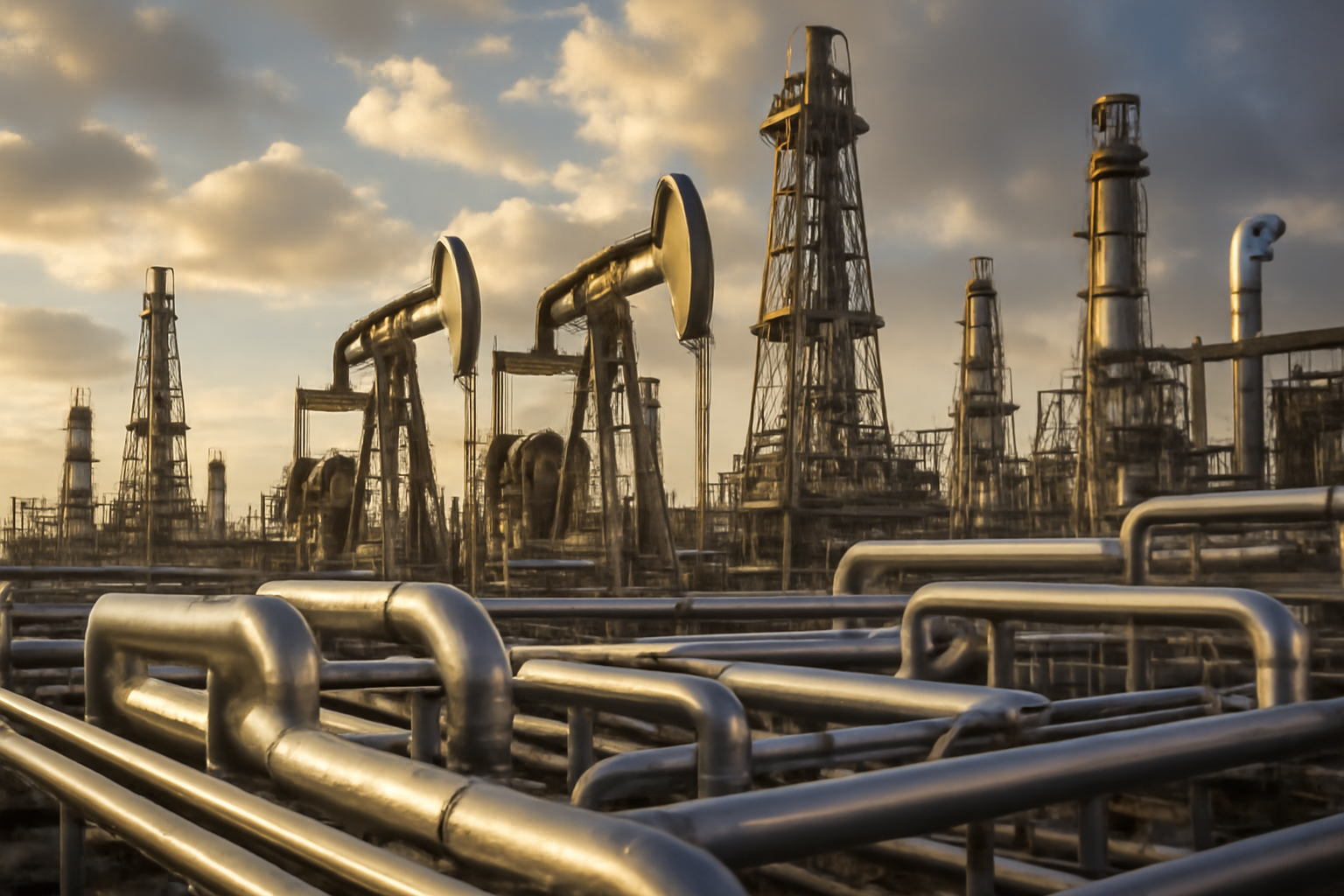
Duplex and Super Duplex stainless steels are popular for their combined properties of austenitic and ferritic stainless steels. These materials offer excellent strength, corrosion resistance, and cost-effectiveness, making them suitable for various applications in the oil, gas, and chemical industries. In this article, we will explore the differences and benefits of these two material families, providing practical considerations for your next project.
Key Characteristics
Duplex Stainless Steel
- Grade: SAF 2205
- Properties: Provides high strength and excellent resistance to stress corrosion cracking and pitting.
- Applications: Ideal for chloride environments, marine applications, and chemical processing equipment.
Super Duplex Stainless Steel
- Grade: SAF 2507
- Properties: Offers enhanced mechanical strength and higher corrosion resistance compared to Duplex.
- Applications: Suitable for highly aggressive environments like offshore oil and gas platforms and seawater desalination plants.
Comparative Data Table
| Property | Duplex (2205) | Super Duplex (2507) | |--------------------------|-----------------------|------------------------| | Tensile Strength (MPa) | 620-850 | 730-940 | | Yield Strength (MPa) | ≥450 | ≥550 | | Corrosion Resistance | Good | Superior | | Thermal Conductivity W/mK| ~19 | ~14 | | Price Index | Moderate | Higher |
Trade-offs in Grade Selection
Selecting between Duplex and Super Duplex stainless steels involves considering environmental factors, project specifications, and budget constraints. Duplex 2205 is well-suited for projects that demand sufficient robustness at a moderate price point, while Super Duplex 2507 is favored where maximum resistance to harsh conditions is imperative.
Fabrication Considerations
Both Duplex and Super Duplex require attention during welding and fabrication to maintain material integrity. ANSI/AWS D1.6 and ASME IX should guide welding procedures. Heat input must be controlled to prevent precipitation of intermetallic phases. Pre- and post-weld heat treatments should also be carefully managed to retain corrosion resistance.
Regional Applications in the GCC
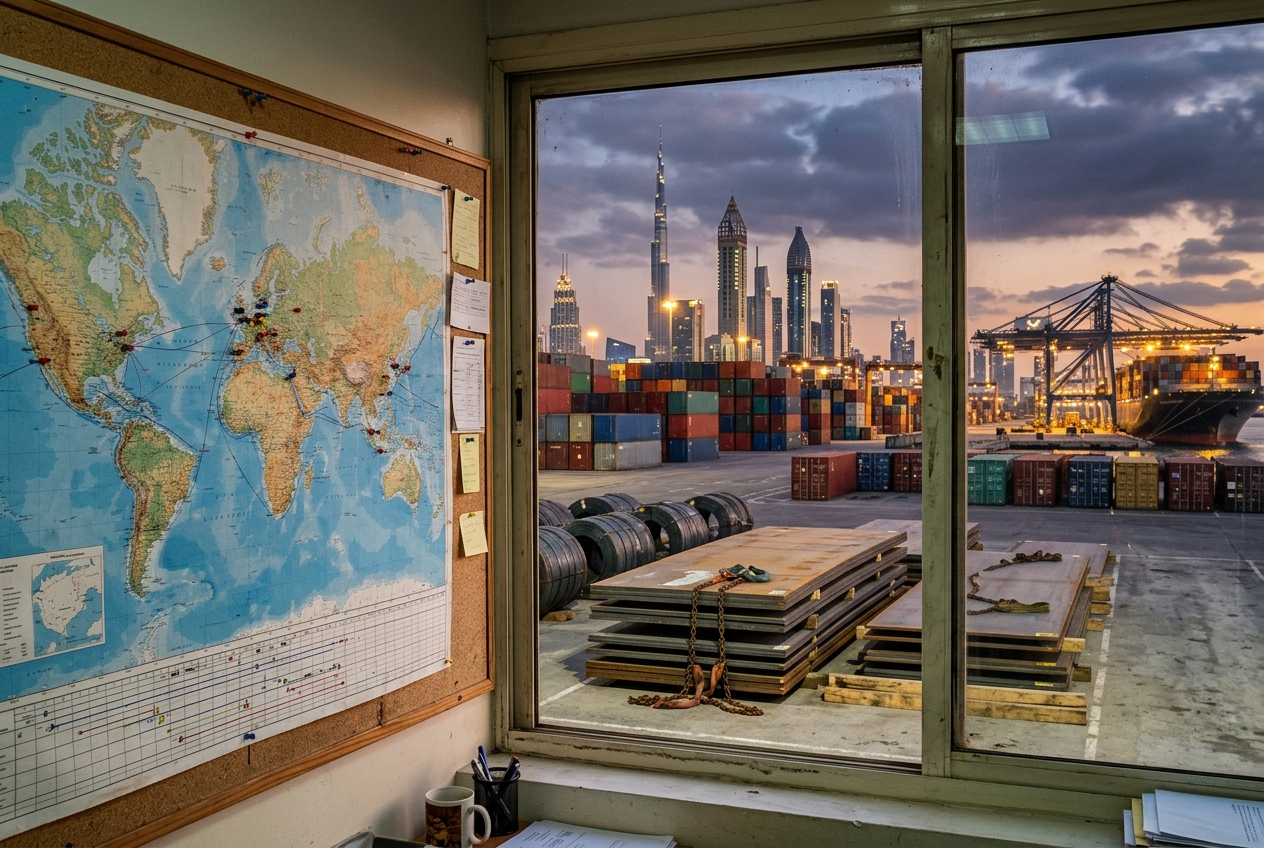
The Gulf region's infrastructure demands materials that can withstand extreme environments. The high chloride content in water and elevated temperatures pose challenges, making Duplex and Super Duplex steels advantageous for projects in the area. For instance, the desalination plants along the Arabian Gulf benefit from the excellent corrosion resistance offered by these materials, as do offshore rigs.
Conclusion
Choosing between Duplex and Super Duplex steels requires a detailed understanding of project requirements and environmental conditions. While cost consideration is crucial, the long-term performance benefits of Super Duplex can justify the initial investment in aggressive environments. For additional guidance in selecting the right material for your GCC projects, feel free to reach out to Axicor DWC LLC experts.